

Nancy Guthrie Update Today: Verified Facts, Rumors to Avoid, and Where to Check
If you've seen Nancy Guthrie trending, you're not alone. People are searching for a clear "Nancy Guthrie update today" because posts are moving fast, and the details often don't match from one share to the next.
This article focuses on what can be checked through reputable reporting or official statements, how to spot rumor posts, and where to look for trustworthy updates. It also matters that more than one person can share the same name, which is one reason confusion spreads so quickly.
Information in active cases can change by the hour, so the goal here is clarity, not drama, and not guesswork.
https://www.youtube.com/watch?v=dtf96dzncYg
Start with the basics: which Nancy Guthrie are people talking about?
 Someone double-checking headlines before sharing, created with AI.
When a name goes viral, it's easy for separate stories to get mashed together. "Nancy Guthrie" can refer to different people, and social posts sometimes mix locations, photos, and timelines. That's how a rumor starts to look like a "breaking update."
In February 2026, much of the public attention appears connected to coverage describing a missing-person case involving a woman named Nancy Guthrie, with national outlets tying the story to Savannah Guthrie. For example, 6abc's live updates on the Nancy Guthrie search describe law enforcement activity in Arizona and ongoing search efforts. Still, even when a major outlet reports a case, copycat posts can twist the facts.
So, before you share anything labeled "latest on Nancy Guthrie," take a breath and confirm identity using non-sensitive details that are commonly reported in legitimate coverage:
- Location: Which city, county, or state is named?
- Age range: Does every credible report match?
- Public role: Is the person linked to a public figure, workplace, or organization?
- Original source: Does the post point to a real newsroom or an official agency?
If a post can't answer those basics, it's not an "update." It's noise.
A fast share can feel helpful, but a wrong share can mislead search efforts and pull attention away from real leads.
A quick identity check you can do in under two minutes
- Find the earliest post you can trace (not the most shared one).
- Look for a named news outlet or an official agency (police, sheriff, FBI).
- Check the date and location in the headline or statement.
- Compare details across at least two credible sources.
- Don't share private info, including addresses, phone numbers, or unverified screenshots.
Those last items matter. "Helpful" comments sometimes cross into doxxing.
Common signs you are reading a mix-up or a made-up post
- No date or no location anywhere in the post
- "Share to help" with zero sources attached
- Overly dramatic claims that don't name who confirmed them
- Comments as the only proof, especially "my cousin said…"
- Recycled photos that show up in unrelated posts
Misinformation spreads because it's emotional and simple. Real updates usually look boring by comparison.https://buy2025.blogspot.com/2026/02/decoding-weather-winter-storm-warning.html
Latest update today: what is confirmed, what is unconfirmed, and what is still unknown
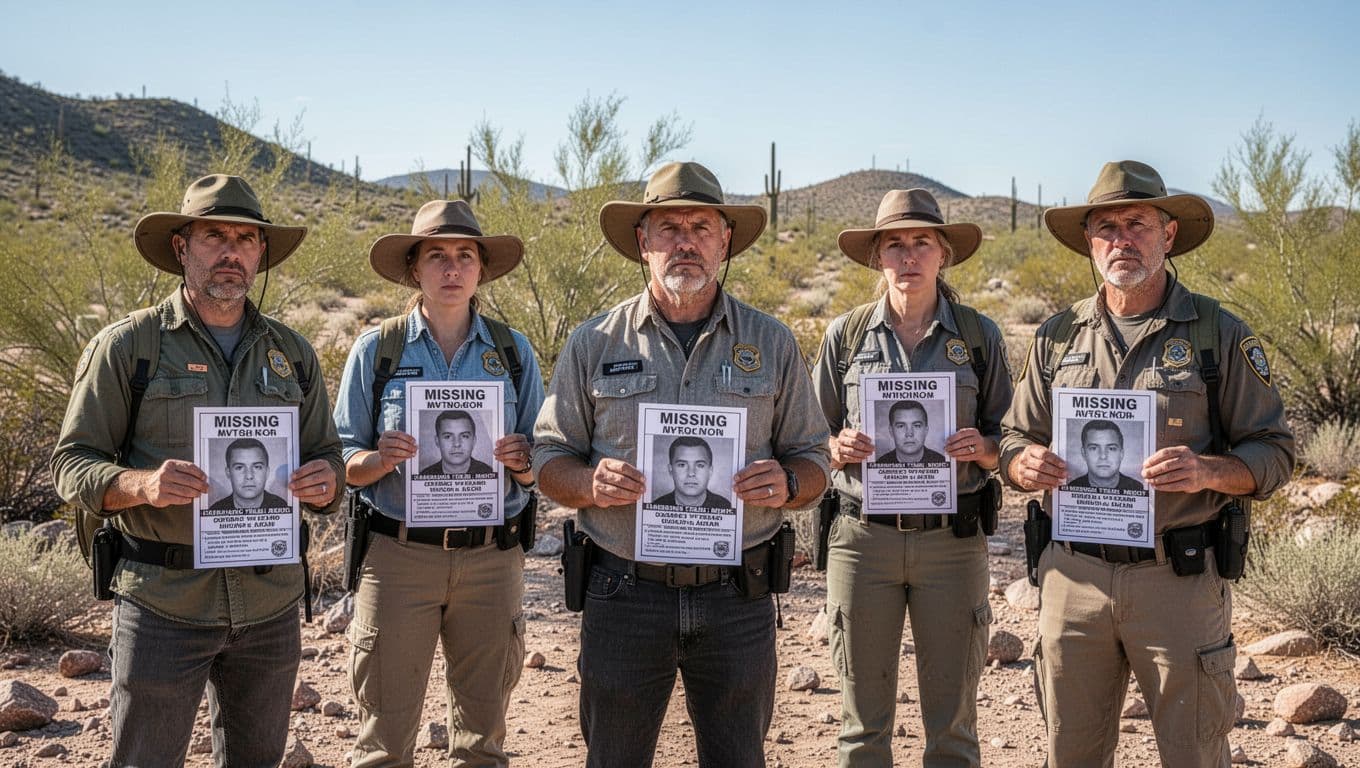 Community search efforts in a desert setting, created with AI.
People often search "Guthrie update today" hoping for one simple answer. In reality, the best way to stay grounded is to separate updates into three buckets.
Confirmed (from official statements or reputable reporting)
Based on widely circulated mainstream coverage in February 2026, multiple outlets have reported that investigators are treating the matter as an active missing-person investigation and that authorities have discussed evidence and ongoing searches. For instance, entertainment and news coverage has referenced law enforcement updates about evidence in the case, including mentions of gloves and DNA, as described in E! News coverage of gloves and DNA evidence. In addition, national morning coverage has shown investigators returning to locations connected to the search, including segments like TODAY's report on investigators returning to Nancy Guthrie's home.
Those links matter because they show who said what, and when.
Unconfirmed (claims circulating without solid sources)
This is where most viral posts land. Examples include screenshots with no outlet name, "insider" comments, and posts claiming an outcome without quoting authorities. If the post doesn't cite an agency statement or a reputable newsroom, treat it as unconfirmed, even if it has thousands of shares.
Also watch for posts that swap key details, like the wrong city, the wrong age, or a different photo. That's usually a sign of copy-paste misinformation.
Unknown (questions not answered publicly)
Even when reporting is solid, there are limits. Details like a full timeline, suspect information, or the meaning of specific evidence may not be public. If authorities haven't released it, it belongs in the "unknown" category.
If you're reading this and no verified public update is available at your current time, that's still an answer. Waiting for confirmation is better than spreading a guess.
Where to look for real-time updates without falling for rumors
Stick to sources that have accountability:
- Local police or sheriff office updates (official sites and verified social accounts)
- Official press releases and briefings
- Credible local TV stations and newspapers with named reporters
- Family spokesperson statements that reputable outlets quote directly
Social media can help spread official posts, but it shouldn't be the only "source."
If you are seeing "did they find Nancy Guthrie?" posts, read this before sharing
Missing-person cases are sensitive and fast-changing. A post can go viral in minutes, then turn out to be outdated or wrong. If you want to help, share only official alerts, verified statements, or reporting from credible outlets.
Avoid posting "tips" from comments, blaming people publicly, or circulating rumors about suspects. Also, don't call random numbers posted in threads. If authorities publish a tip line, use that. If they don't, contact the agency listed in official coverage.
How to help responsibly (and protect yourself from false information)
 Photo by Ron Lach
When you're worried, sharing feels like action. Sometimes it helps, and sometimes it adds fog. The most useful support is simple and careful.
First, share official notices from law enforcement or verified family statements. Second, save links to reputable updates so you can point others to sources instead of arguing. Third, if you spot a post using fake details or stolen images, report it to the platform. That's not petty, it prevents harm.
If you correct someone, keep it kind. A short message like, "I think this is unverified, here's a confirmed source," works better than a pile-on.
Finally, protect your own privacy. Scammers often watch trending searches and jump in.
Watch out for scams using the Nancy Guthrie name
Scams often follow a pattern:
- Urgent donation requests with no verification
- Unclear or brand-new fundraising pages that can't be confirmed
- Requests for gift cards, wire transfers, or crypto
- Accounts that refuse to cite any official source
A simple safety rule helps: donate only through pages that trusted outlets link to, or that an official family statement confirms.
Conclusion
A solid Nancy Guthrie update starts with identity, because name mix-ups happen fast. Next, focus on confirmed reporting and official statements, not comment sections and screenshots. It's also okay to wait, since real investigations don't unfold on a social timeline.
If you're following this story, check reputable local coverage and official agency updates, then share only what you can verify. Above all, keep privacy and empathy front and center, because families live with every rumor people post.





0 Comments